

How to Run a Successful Google PPC AdWords on a Budget
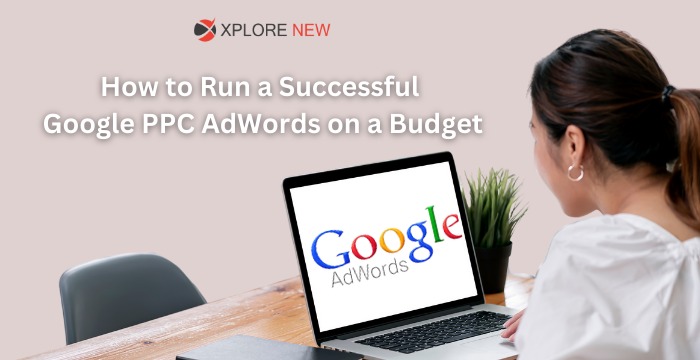
How to Run a Successful Google PPC AdWords on a Budget
Running a Google PPC AdWords campaign on a budget might seem challenging, but with the right strategy, you can still achieve strong results without overspending. PPC, or Pay-Per-Click, advertising allows businesses to place ads on Google and pay only when someone clicks on them. This can be very cost-effective, especially when you’re mindful of budget limits. Here are some tips to help you run a successful Google PPC AdWords campaign while keeping costs under control.
1. Set a Clear Budget
Start by determining how much you’re comfortable spending each day or month. Google PPC AdWords gives you control over your budget. Decide on a realistic daily or monthly budget and stick to it. Even if you have a low budget, setting a limit helps you avoid overspending. You can start small and increase the budget if you see positive results.
2. Focus on Targeted Keywords
Selecting the right keywords is essential in making sure your ads reach the right audience. Start with a list of keywords that are most relevant to your business and services. Tools like Google’s Keyword Planner can help you find keywords that fit your niche and show search volume and cost estimates. Try to focus on long-tail keywords, which are more specific and often cost less per click than general keywords. For example, “affordable digital marketing services in New York” might cost less and be more effective than a broad keyword like “digital marketing.”
3. Use Negative Keywords
Negative keywords stop your ads from showing up in unrelated searches, helping you save on costs. For example, if you offer “luxury watches,” you might want to exclude searches for “cheap watches” by adding “cheap” as a negative keyword. This way, your ad won’t show up for people searching for low-cost options, helping you focus on users more likely to convert.
4. Optimize Ad Copy
A clear and engaging ad copy is crucial for attracting clicks from the right audience. Your ad copy should include keywords and highlight what makes your product or service unique. Make sure your message is clear, concise, and speaks directly to the needs of potential customers. A well-written ad can improve your click-through rate (CTR), which in turn can help lower your cost-per-click (CPC) over time.
5. Use Ad Extensions
Ad extensions allow you to provide additional information, such as your phone number, address, or extra links. They make your ad more visible and increase the chances of clicks without costing extra. Using extensions can also help boost your ad quality score, which can lower your costs.
6. Monitor and Adjust Regularly
Monitoring your campaign performance is essential when working with a tight budget. Use Google Analytics to track how your ads are performing and adjust your strategy as needed. If a keyword isn’t bringing in clicks or conversions, consider removing it or lowering its bid. On the other hand, if a particular keyword is performing well, you might want to increase its bid to attract more traffic.
7. Experiment with Bidding Strategies
Google offers different bidding strategies, such as cost-per-click (CPC) and target CPA (cost per acquisition). For a low-budget campaign, manual CPC bidding lets you control costs by setting the highest amount you're willing to pay for each click. However, if you’re comfortable with Google optimizing your bids, you could try automated strategies as well.
8. Focus on Quality Score
Your ad's Quality Score affects how much you pay for clicks. Google gives better placements and lower costs to high-quality ads. To improve your Quality Score, make sure your keywords, ads, and landing pages are relevant and provide a good user experience.
Conclusion
Running a Google PPC AdWords campaign on a budget requires planning, constant monitoring, and adjustments. By setting a clear budget, targeting the right keywords, using negative keywords, and optimizing your ad copy, you can get the most out of your campaign without spending too much. Remember, the key is to test, monitor, and adjust as you go to ensure your budget goes towards the most effective strategies
Frequently Asked Questions About Google PPC AdWords
1. What is Google PPC AdWords?
Google PPC AdWords is a type of online advertising where businesses pay for their ads to appear on Google’s search results page. PPC stands for Pay-Per-Click, meaning you pay only when someone clicks on your ad.
2. How does Google AdWords work?
Google AdWords works by allowing you to bid on specific keywords related to your business. When someone searches for those keywords, your ad may appear at the top of the search results. You pay each time someone clicks on your ad.
3. How much does Google AdWords cost?
The cost of Google AdWords depends on several factors, including how competitive your keywords are and your budget. You can control how much you spend each day by setting a daily budget. Costs per click (CPC) can range from a few cents to several dollars.
4. How do I create a Google AdWords campaign?
To create a Google AdWords campaign, sign up on Google Ads, choose your goals, select your audience, set a budget, pick keywords, write your ad, and launch the campaign. Google Ads guides you through each step to make it easy to set up.
5. What are keywords in Google AdWords?
Keywords are the words or phrases people search for on Google. In AdWords, you choose keywords that match what your potential customers might search. Your ad appears when people search for those keywords.
- advertising agency in hyderabad, best digital marketing agency in Hyderabad, best seo agency in hyderabad, digital marketing agency in Hyderabad, digital marketing companies in Hyderabad, digital marketing services in hyderabad, social media marketing agency Hyderabad, top 10 digital marketing companies in Hyderabad, top digital marketing companies in Hyderabad
More from our blog
See all posts






Recent Posts
- MVP Development Guide: Launch Your Startup Product in 90 Days February 12, 2026
- How to Build a SaaS Product from Idea to Launch in 2026 (Step-by-Step Guide) February 12, 2026
- Influencer Marketing Trends to Know in 2025 January 9, 2025

 by XploreNew